Owners know
what’s in the way.
A free interview and referral initiative for small-business owners on Chicago’s South Side, from Pilsen to Englewood. We sit down with you at your business, hear what is holding it back, and connect you with people who can help.
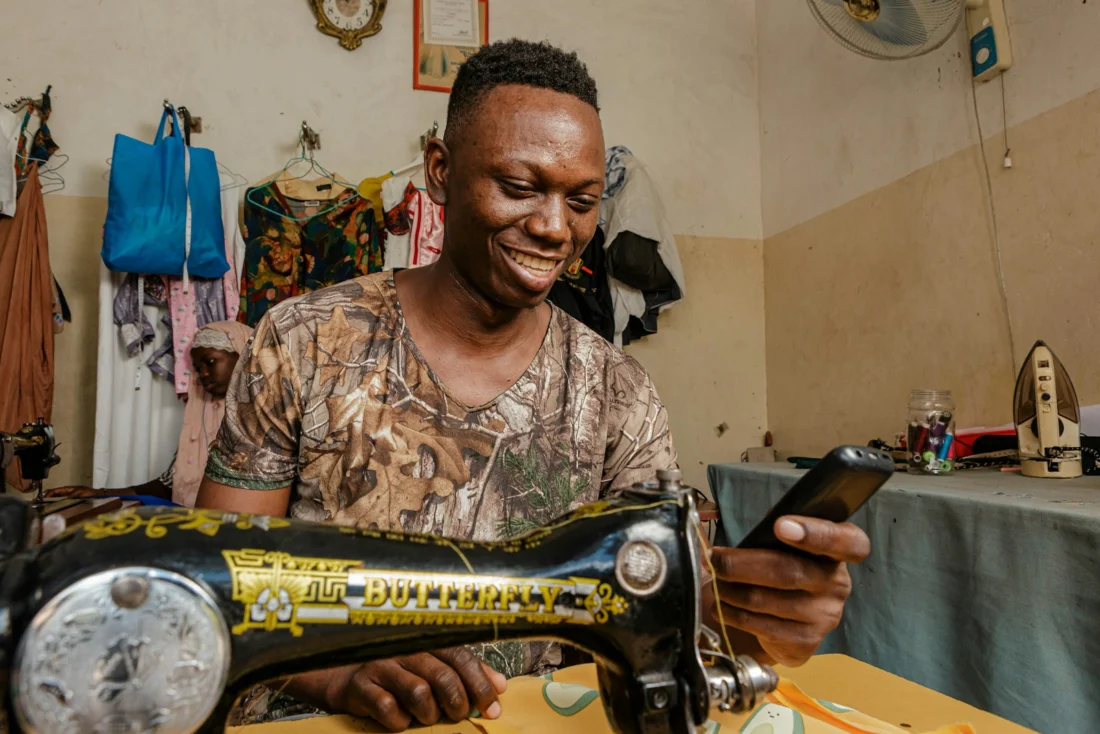
We come to you.
There is no application. One of us visits your business, talks with you for a few minutes, and writes up the notes. If you want help with something specific, we find the right person and make the introduction, but only with your permission.
If you want to tell your story on camera, we can record a 10 to 15 minute interview in your own words. Being recorded and being published are two separate yes-or-no choices, and you can get help without doing either.
- A short conversation at your business, on your schedule
- Notes taken by us, not a form for you to fill out
- An introduction to a provider, only if you say yes
- Follow-up by phone, text, or email, whichever you prefer
- An optional filmed interview, with separate consent to publish
Four questions, every owner.
Every interview uses the same questions. That is what lets a taqueria in Pilsen and a print shop in Englewood be compared side by side, and what turns individual stories into evidence an institution can act on.
Why here?
Why did you open your business in this neighborhood, and what keeps you here?
What gets in the way?
What is your biggest obstacle right now, and what happened when you went looking for help?
What would help?
Which resources, connections, or changes would make the biggest difference to your business?
What can you offer?
What do you need from other owners, and what can you share with them in return?
Owners never pay.
Institutions fund the work. Here is exactly what each side gets, controls, and should not expect.
The question
Institutional partners
Business owners
What does it cost?
A defined project or sponsorship, scoped and priced up front.
Nothing, at any stage.
What do you get?
Findings on what owners need, organized by topic and neighborhood, with clear counts and time periods.
A conversation, introductions you approve, and someone who follows up.
What do you control?
The question you want answered and the communities in scope. Not the story.
Whether you are recorded, whether it is published, and who sees your information.
What is not promised?
Favorable coverage. Sponsorship is disclosed and does not buy a point of view.
Funding, contracts, or policy changes. A referral is a start, not a result.
Fund the listening. Act on what you hear.
Foundations, economic development groups, business associations, corporate sponsors, and public agencies can commission a defined project or support the initiative as a whole. It is the same method we use with school districts and government agencies: listen to the people closest to the problem, then put the evidence in front of the people who can fix it.
- Listening projects: owner interviews, recurring themes, and a findings report with recommendations
- Sponsored storytelling: a funded series on one neighborhood, business community, or shared problem
- Convenings: owners, providers, and decision-makers in one room, with documented priorities and a named lead for each next step
- Engagement strategy: help reaching small businesses, understanding what they need, and coordinating a response

What owners ask us first.
No. You can get a conversation, introductions, and follow-up without ever appearing on camera. If you do record an interview, publishing it is a separate decision you make after you have seen it.
Your notes stay with our team. We share a short summary with a specific provider only after you have agreed to that introduction. Sponsors see combined findings, never your name or contact details.
No. Owners do not pay for interviews, introductions, follow-up, or community events.
We confirm what you want to happen next, find the right office or provider, check that they can actually help, and make the introduction. Then we keep checking in until the issue is resolved or we know what is still in the way.
No, and we will not pretend otherwise. We can make sure the right people hear you and that someone follows up. What they decide is up to them.
We are planning an optional, free online group where owners can trade resources and help each other between interviews. Joining is never required, and conversations there are not confidential. Invitations will go out once the first group of owners is ready.
Tell us about your business.
Leave your name, your business, and the best way to reach you. One of us will call to set up a time. It takes a few minutes, and it costs nothing.